

Di ANNA & MARIA SCIACCA
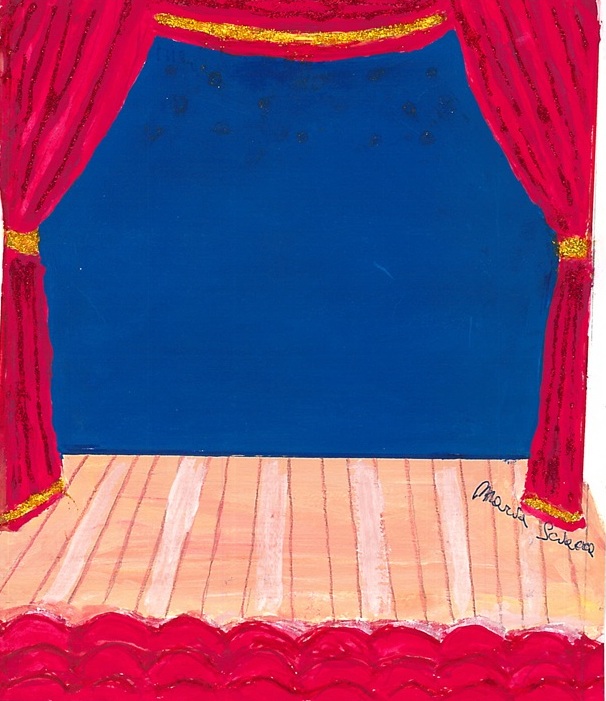
L’ARTE DEL TEATRO
Il teatro ha svolto un ruolo importante fin dalle sue origini greche. Il teatro può essere divertimento, ma soprattutto è fare riflettere, affrontando temi diversi: sociali, filosofici. Il teatro offre la possibilità di studiare se stessi e la natura. La curiosità intellettuale dell’attore si esprime attraverso la letteratura, la psicologia, la storia e l’osservazione della realtà.
Il lavoro dell’attore di teatro è nel presente, non ci sono tagli di scena e ripetizioni come durante le riprese di un film nel cinema, richiede energia, improvvisazione, il contatto con il pubblico è immediato, e cambia a ogni replica.
Cosa spinge a recitare? È diventare “un altro” per capire sé stessi. Molte volte non si riesce a esprimere le proprie emozioni. La ricerca della verità è limitata dalla società. Raramente si trova questa libertà nella realtà.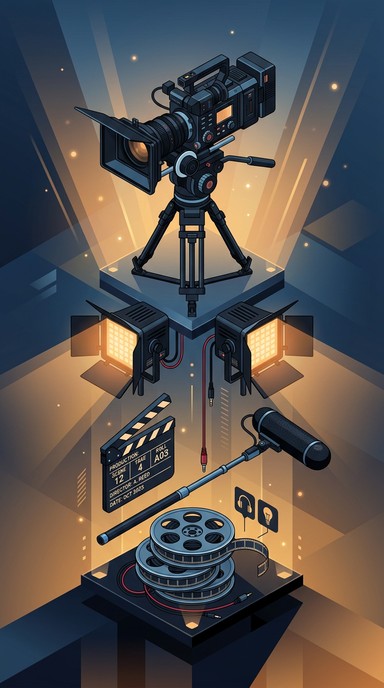
L’attore fa teatro autentico quando recita portando in scena i propri limiti, la propria memoria emotiva, quando è un uomo o una donna che dà voce a chi non l’ha, affrontando i conflitti sociali e psicologici, condividendo il suo tempo con gli altri.
Fare teatro serio, autentico significa lasciare da parte quel vuoto intrattenimento fatto di effetti speciali, o la ripetizione di testi accademici o classici, sono i gesti, le parole, un coinvolgimento totale dell’attore, che porta nel presente, riflessioni, verità scritte da secoli, mettendo in discussione le certezze, i pregiudizi e si interroga sulle ingiustizie, della vita quotidiana.
Si fa grande teatro quando dopo, qualcosa è cambiato sia per l’attore che per lo spettatore. Questo è il fascino e la verità del teatro di valore.
LA RECITAZIONE DELL’ATTORE COME NARRATORE
La narrazione di un libro richiede all’attore di controllare la voce, costruire le scene della storia e avere immaginazione, permettendo che sia l’ascoltatore a seguire il film nella sua mente.
Nella recitazione per un audiolibro, c’è lo spazio espressivo: le pause, e i silenzi e poi la voce dell’attore come narratore, guida l’ascoltatore, che diventa parte di quella storia.
By ANNA & MARIA SCIACCA
WHY THE THEATRE?
Since its Greek origins, theatre has given an important function; while it can certainly be a source of entertainment, its primary purpose is to give reflection by engaging with a wide range of social and philosophical themes. The theatre offers an opportunity to explore both the self and the natural world; an actor’s intellectual curiosity finds expression through literature, psychology, history, and the observation of reality.
The work of a stage actor is in the present moment; unlike in films, where scenes can be edited or repeated, theatre demands energy and improvisation. The connection with the audience is immediate and shifts with every single performance. What drives someone to act? It is the act of becoming “someone else” in order to better understand oneself.
In everyday life, we are often unable to express our true emotions; the pursuit of the truth is frequently constrained by social norms, and freedom is rarely found in reality. An actor engages in authentic theatre when he/she brings his/her own limitations and emotional memory on the stage, when, as a human being, he/she gives a voice to the voiceless, confronts social and psychological conflicts, and shares his/her time with others. Creating important, authentic theatre means moving beyond empty entertainment, such as mere special effects or the rote recitation of academic or classical texts; the gestures, the words, a total involvement of the actor who brings into the present reflections, truths written centuries ago, challenging even the certainties, the prejudices, and questioning the injustices of daily life.
The great theatre is when, after, something has shifted for both the actor and the audience. This is the allure and the truth of meaningful theatre.
THE ACTOR AS NARRATOR
Narrating a book requires the actor to have vocal control, the ability to construct the story’s scenes, and imagination, allowing the listener to follow the “film” within their own mind. In an audiobook performance, there is an expressive space: pauses and silences, and the actor’s voice, as narrator, guides the listener, who becomes part of the story.