


By Anthony Morante
The Lorillards were among the area’s most influential landowners. In the late 1700s and early 1800s, they built a thriving tobacco-manufacturing business along the Bronx River. Their property included mills, residential buildings, gardens, and extensive woodlands. The family’s stone tobacco mill, constructed around 1840, still stands within the New York Botanical Garden.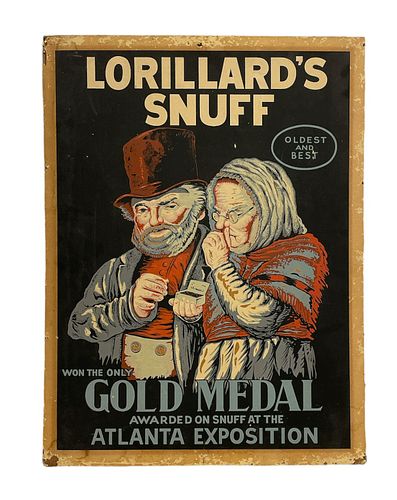 The Lorillard site earned National Historic Landmark status, while the Stone Mill, built in 1840, was recognized as both a New York City Landmark and a National Historic Site.
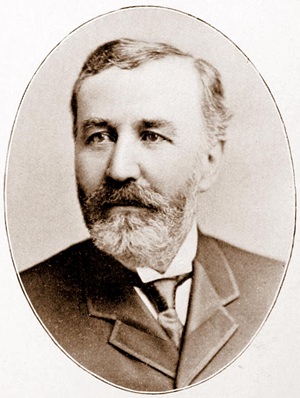
In April of 1883, NYC Mayor Franklin Edson pulled a committee together headed by engineer John Mullaley to seek out and locate areas for parks and recreation in the 23rd and 24th wards in the Bronx and in the vicinity thereof. In 1884, New York City acquired large tracts of land along the Bronx River and contained the snuff mills of the J.P. Lorillard Tobacco Co., as well as the dams and millponds of the ancient Delancey mills.
In 1884, the New York State Legislature passed the New Parks Act, authorizing the acquisition of large tracts of land for public parks in the Bronx. Originally about 640 acres and later expanded to roughly 718 acres, Bronx Park was created to preserve the Bronx River, protect natural woodlands, and provide public recreation.
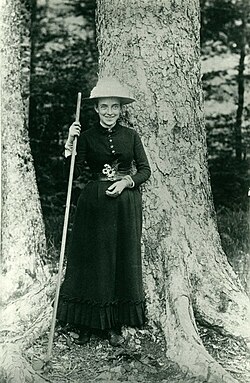
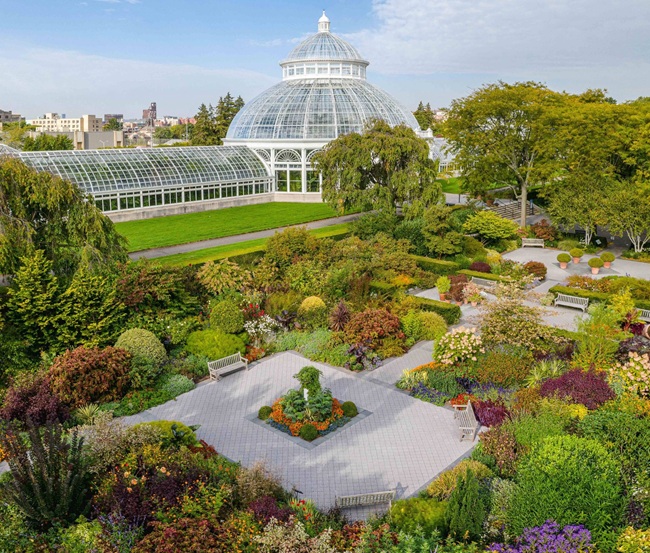
In 1888, botanists Nathaniel Lord Britton and Gertrude Knight Britton visited London’s renowned Kew Gardens while on their honeymoon. Inspired by its magnificent conservatory, they returned to New York and began campaigning for a similar institution modeled on Kew. Realizing their vision required $250,000. Industrialists Andrew Carnegie, J. P. Morgan, and Cornelius Vanderbilt provided $250,000 notes, while the public contributed the balance, largely through $5,000 and $10,000 notes.
The New York Botanical Garden was incorporated in 1891. Calvert Vaux, who had co-designed Central Park in 1858, served as the principal architect and laid out the original trails and entrances between 1891 and 1895. In the late 19th century, New York City’s population grew rapidly, driven in part by immigration throughout the 1890s. As residential construction expanded, city planners and civic leaders feared that forests, rivers, and undeveloped land would disappear.
Unlike many urban parks designed with artificial landscapes, Bronx Park retained much of its natural environment. In 1891, approximately 250 acres in the park’s northern section were designated for the New York Botanical Garden, established under the leadership of botanists Nathaniel Lord Britton and Elizabeth Gertrude Britton.
The site was chosen in part for its exceptional old-growth forest, whose mature trees had survived centuries of surrounding development. The Botanical Garden became a leading national center for botanical research, education, and conservation, while the former Lorillard tobacco mill remains one of the property’s most significant historic structures.
The Bronx Zoo opened in 1899 in the southern portion of Bronx Park. Originally called the New York Zoological Park, it was established by the New York Zoological Society, now known as the Wildlife Conservation Society. Its founders envisioned a zoological institution that would combine public education, scientific research, and wildlife conservation.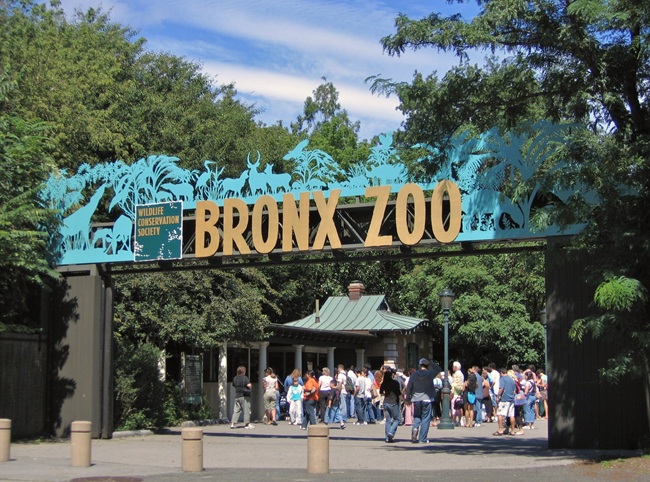
The zoo’s extensive grounds were designed to provide more natural environments for animals than were typical of older urban zoos. Over time, the Bronx Zoo became one of the world’s best-known zoological institutions. The zoo’s directors reached out to the Italian masons to help develop many of the zoo’s sites. As a result, the masons helped develop the popular Italian community of “Belmont.”
Originally, the western Bronx was annexed to New York City in 1874, followed by the eastern Bronx in 1895. The Bronx became a separate county in 1914. As public transportation improved, the surrounding neighborhoods began experiencing rapid residential development. From about 1900 to 1930, apartment buildings, private homes, schools, churches, and businesses replaced farmland and estates.
The neighborhoods around Bronx Park became home to successive generations of immigrant families. During the late 1800s and early 1900s, German and Irish immigrants settled in sections of the Bronx. Italian and Eastern European Jewish families arrived in increasing numbers during the early decades of the 20th century. Many residents moved from crowded neighborhoods in Manhattan, particularly the Lower East Side, seeking larger apartments, cleaner air, and more affordable housing.
The expansion of subway lines made the Bronx especially attractive to working- and middle-class families. By the 1920s and 1930s, neighborhoods around Bronx Park had developed thriving residential communities with local businesses, religious institutions, schools, and neighborhood organizations.
The opening of the Bronx Park East subway station in 1917 improved access to Manhattan and encouraged apartment construction. Pelham Parkway, which connects Bronx Park with Pelham Bay Park, became an important residential corridor. The surrounding neighborhood developed a combination of apartment buildings, private homes, schools, and commercial streets. During the middle decades of the 20th century, the Pelham Parkway area became particularly well known for its substantial Jewish population, including families who had relocated from Manhattan and other parts of the Bronx.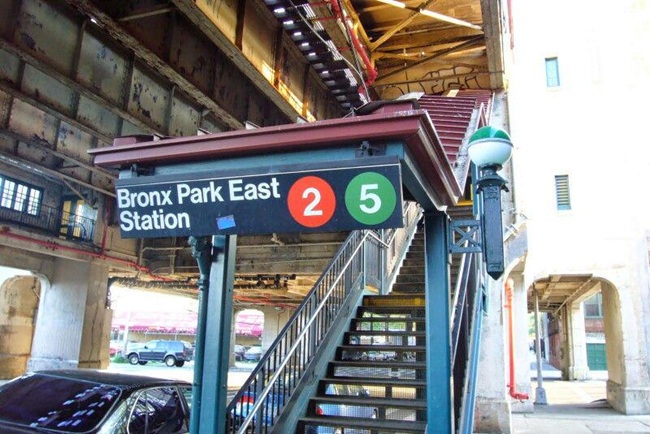
By the 1940s and 1950s, Bronx Park was surrounded by established urban neighborhoods. The park itself remained an important recreational destination for local residents. .
During the second half of the 20th century, the surrounding neighborhoods experienced demographic, economic, and housing changes, reflecting broader developments throughout the Bronx. Despite these changes, Bronx Park remained an important natural and cultural landmark. Bronx Park continues to occupy approximately 718 acres in the central Bronx. It contains the Bronx Zoo, New York Botanical Garden, Bronx River, walking paths, recreational areas, and important natural habitats.
The Bronx River has also been the focus of extensive environmental restoration efforts aimed at improving water quality, protecting wildlife, and expanding public access. The park represents an unusual combination of colonial history, industrial development, landscape preservation, scientific research, and neighborhood heritage Park is significant for several reasons. It preserves portions of the natural landscape that existed before New York City’s urban expansion. Its surviving mill structures connect the area to early American manufacturing. Its former estates reveal the history of prominent New York families, and its public institutions reflect the late 19th-century movement toward education, conservation, and public recreation.