


By Anna & Maria Sciacca
The story of Italian perfumery dates back to ancient times, when Etrurians, Romans, and Greeks used plants to create fragrances, aromatic waters, and perfumed oils. In the Roman Empire, perfumes were also present at the termes to create a relaxing ambiance and during the convivial atmosphere of banquets.


In the Middle Ages and the Renaissance, shops and artisanal workshops prepared scented essences and cosmetics; with the introduction of alcohol into the composition of perfumes, modern perfumery began.
In ancient apothecaries, perfume mixtures were experimented with and created, thereby perfecting distillation techniques. In 1533 the Florentine perfumer Renato Bianco creates the fragrance “L’Acqua della Regina” (The Queen’s Water), in 1600 with the new techniques in the production of perfumes, Gian Paolo Feminis introduces “Aqua Admirabilis,” and in 1709 the Perfumery House Farina creates the formulation for the Eau de Cologne, of which he says: I have found a fragrance that reminds me of an Italian spring morning, of mountain daffodils and orange blossoms after the rain.”

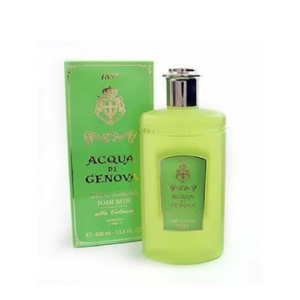
At the Universal Exhibition in Paris in 1900, the Houses of Perfumes introduced their scent creations to the international stage. In Italy, at the beginning of the 20th century, the Officina Santa Maria Novella in Florence introduced lavender water, among other essences. In the 1920s, Paglieri introduced Felce Azzurra Eau de Cologne, which became a success, along with Felce Azzurra talcum powder. Between the 1930s and 1940s, the fresh, citrusy cologne “Acqua di Parma,” founded in 1916, was fashionable; the fragrance was popular with Hollywood stars, and sartorial shops also used it to perfume clothes. In Italy, many other renowned Houses of Perfumes include Borsari in Parma, Marbert, and Bertelli in Milan.

In the 1950s, amid the economic boom, Made in Italy emerged, making Italy known on the international stage for the elegance and quality of its fashion, jewelry, and perfumery. With the use of natural and synthetic ingredients, the perfume industry can create a variety of scents, including different elements and making them more durable in their compositions. Many Italian fashion designers like Valentino, Biagiotti, Trussardi, Armani, Versace, Bulgari, Gucci, Bottega Veneta, Salvatore Ferragamo, Dolce & Gabbana create refined and luxury scents. Fashion and perfumes represent the brand’s stylistic identity.
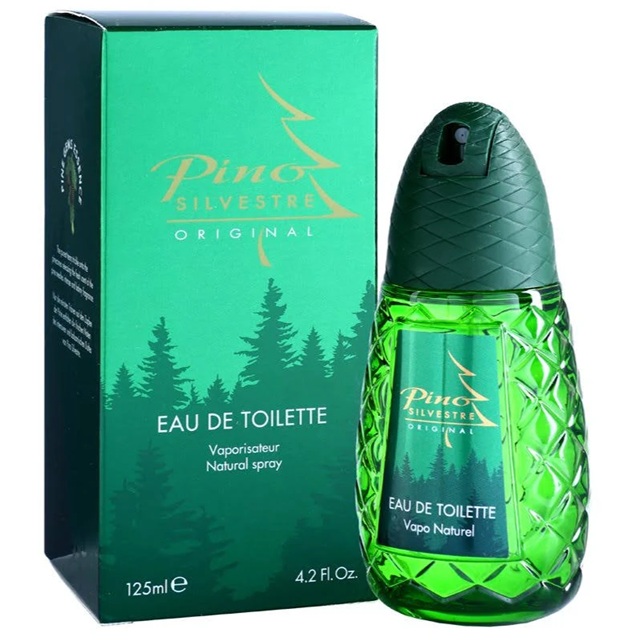
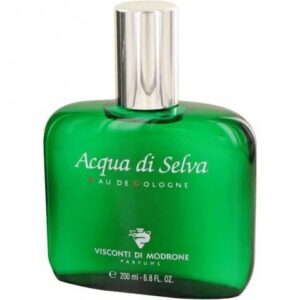
Italian perfumery is characterized by notes such as bergamot, mandarin, orange, lemon, rose, jasmine, iris, lavender, aromatic herbs, and marine and aquatic accords. The beauty of Italy is also found in its perfumes. Many types of perfumes have been created in the collections of prestigious Italian perfumes: “Rugiada di Bosco” created in the Thirties, “Notte di Venezia” in 1948, the aromatic fragrance Fougere “Acqua di Selva” by Visconti di Modrone, “Armonia di Lavanda” by Paglieri an aromatic fragrance, “Pino Silvestre” by Vidal in 1955, a fresh and green pine-based perfume. Fougére perfumes include notes of herbs, lavender, oakmoss, and lichens. Green and fresh, the perfume smells like ferns in the forest. In 1967, Capucci presents the perfume “Capucci Pour Homme”; other perfumes include the aquatic-citrusy “Capucci Blu Water” and the floral “L’Atelier de Capucci Pour Elle”.

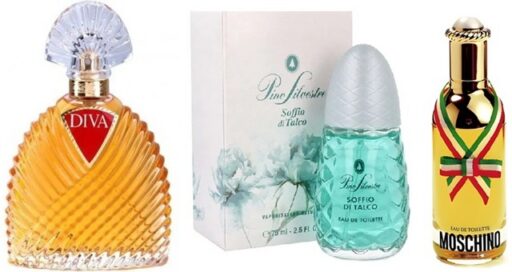
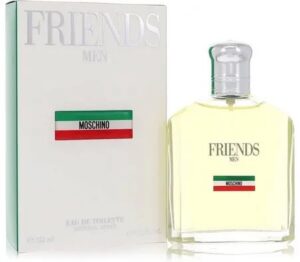
In 1982, Donna by Versace; in 1983, the floral-spicy perfume Diva by Ungaro; in 1985, Fendi, the floral fragrance “Senso” by Emanuel Ungaro; in 1987, the amber-vanilla fragrance “Moschino”, the gold bottle adorned with a ribbon in the colors of the Italian flag, is shaped like a wine bottle. In 1988, “Roma” by Laura Biagiotti: the bottle, shaped like a Roman column, evokes the atmosphere of ancient Rome. The oriental peach-pink perfume contains notes of bergamot, jasmine, rose, amber, pepper, and vanilla, as well as the aromatic fougère fragrance “Gucci Nobile” by Gucci. The perfume market always creates new and attractive fragrances: the green-aquatic “Icewater” by Pino Silvestre; “Muschio Bianco” by Speziere Palazzo Vecchio in Florence, a spicy-creamy scent.
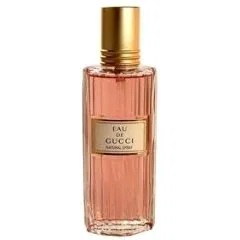
In 1993 Gucci presents “Eau de Gucci” a floral-chypre perfume, in 1995 the sweet-fruity fragrance “Venezia Pastello” by Laura Biagiotti, and the oriental floral fragrance “Gucci Accenti”, in 1996 “Acqua di Giò” by Giorgio Armani is a fresh, aquatic fragrance inspired to the sea, in 1997 “Fleur de Diva” by Ungaro a floral-fresh perfume, in 2000 “Acqua d’Elba” introduces the series of perfumes inspired to the scent of the sea, the essences of flowers, the citrus of Elba Island. “Acqua di Parma Blu Mediterraneo” is a collection of fresh fragrances: “Arancia di Capri”, “Chinotto di Liguria”, “Cedro di Taormina”, “Mandorlo di Sicilia”.


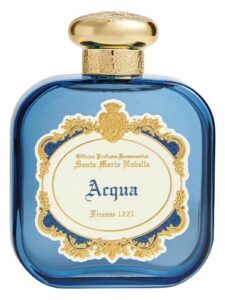
The fashion designer Emilio Pucci presents the floral green fragrance “Pucci Eau Fraiche,” a fresh scent of Spring flowers and green notes. The floral aquatic fragrance “Acqua” is inspired by sun, water, and Mediterranean aromas; the floral green fragrance “Verde” is inspired by the freshness of aquatic herbs; and the floral musk fragrance “Miss Pucci”.
The brand Vidal presents the perfume series The Merchant of Venice, inspired by Venice’s trade relations with the Orient. Each perfume is presented in decorative bottles made of Venetian glass, such as the floral fragrance “Rosa Moceniga” and the floral-aquatic fragrance “Cyprus Shell”.
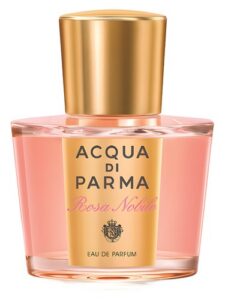
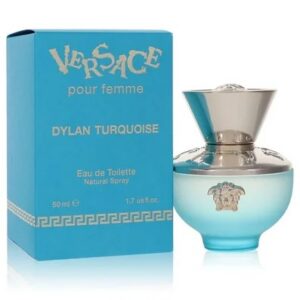
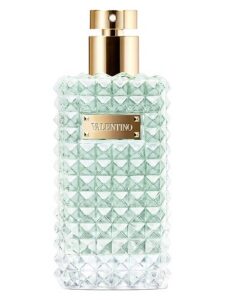
The fragrances from the brand Masque Milano, founded in 2012, are inspired by Italian artistic and design traditions; each perfume bottle in the collection represents a “scene”. In 2014, Pino Silvestre presents “Blue Forest,” a fresh, aromatic fragrance with notes of pine, wood, moss, and fir, and the woody fragrance “Oud Absolute” for men, with citrus, agarwood, and amber. Laura Biagiotti presents the perfumes “Blu di Roma Donna”, the scent is floral, fruity and “Blu di Roma Uomo”, Acqua di Parma introduces the floral, musk fragrance “Acqua Nobile Rosa”, in 2017 Versace presents the floral-fruity perfume “Dylan Blue”, Laura Biagiotti presents the floral, fruity fragrance “Roma Rosa”, in 2018 the perfume for men “Eros” by Versace and the floral, green fragrance for women “Valentino Donna Rosa Verde” by Valentino, in 2020 the floral fragrance “My Way” by Giorgio Armani, the fresh perfume “Dylan Turquoise” by Versace.
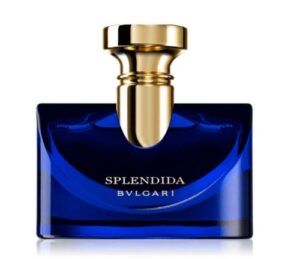
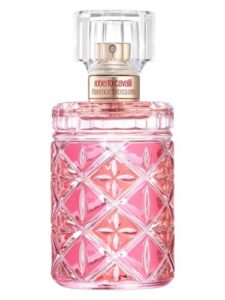
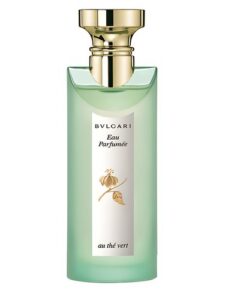
The brand Bulgari, famous for its splendid jewelry, introduces the fragrances: “Eau de Bulgari”, “Rose Goldea”, “Bulgari Splendida.” Valentino creates the fragrance collection “Valentino Born in Roma”; Roberto Cavalli presents the chypre-amber fragrance “Florence” inspired by Tuscany, the floral-fruity fragrance “Florence Blossom”, and the chypre-floral fragrance “Florence Amber”. Pino Silvestre launches other fresh fragrances: the aquatic, woody perfume “Pino Silvestre Mediterraneo”, the woody, chypre fragrance “Pino Silvestre Muschi di Bosco” and the aromatic fragrance “Soffio di Talco” of soft talcum notes.
In 2021 “Acqua di Pino Fougère” by Pino Silvestre features notes of pine and cedar. In 2024, the Italian brand Vinci presents the fougère fragrance for men, “Chevalier Seduction,” featuring notes of melon, bergamot, mint, seawater, green apple, and amber. In 2025, Milano Fragranze presents the floral, musk perfume “Neon Lights”, which is in a collection of other perfumes: Naviglio, Panettone, Brera, Piazza Affari. The fragrance “Lemonade Coast” expresses the freshness of a Sorrento lemonade, and “Aromatic d’Azur” is inspired by the aromas of the Mediterranean.
Sicili Fragrances introduces a series of perfumes, “Italian Oud” for men and women, “Limoncello Divino”, “Mandarino Divino”, “Mint & Tonic”, bringing the warmth of the sun and the citrus flavors of Sicily.
In the Italian artistic perfumery made up of independent brands, fragrances become olfactory experiences. Artisanal traditions and innovations characterize Italian perfumery, which expresses the authenticity and beauty of Italian landscapes through its seductive, emotionally inspiring perfumes. In Italy, Pitti Fragranze in Florence and Esxence the Scent of Excellence in Milan are among the largest exhibitions on the international perfume scene.