


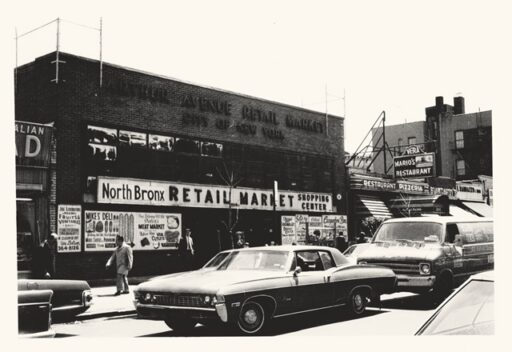
by Anthony Morante


In 1883, NYC Mayor Franklin Edson appointed a committee to identify areas in the 23rd and 24th wards and their vicinity for parks and recreation. By the end of the 19th century, two major cultural institutions evolved: Bronx Park, the NY Botanical Garden, and the Bronx Zoo. John’s College to accommodate the growing population.
During the late nineteenth and early twentieth centuries, a substantial wave of immigration—primarily from southern Italy—established the foundations for the Italian American community that would flourish in the now bustling Belmont neighborhood along Arthur Avenue.
The consolidation with New York City in 1898 helped foster this vibrant cultural scene, as new communities formed, bringing diverse traditions and contributions to the Bronx during this massive period of immigration. At that time, it set the stage for the new urban growth toward the rich cultural tapestry that characterizes the Bronx today, including a main thoroughfare…Arthur Ave.
Suggested Follow-Up
Would you like to know more about how this event influenced specific neighborhoods or aspects of life in the Bronx, or perhaps explore the broader context of urbanization during this period? Let me know!
One theory of the Avenue’s beginning was that the street was named ‘Arthur Street’ in 1873. Another theory concerns Catherine Lorillard Wolfe, who left a mansion to New York City, which is now St. Barnabas Hospital, and the City in turn named Arthur Ave at her bequest.
Significance of Both Theories
- Cultural Heritage: Both theories highlight how the naming of streets often reflects the history and character of the communities they traverse. Whether named after a local figure or in recognition of a benefactor’s contributions, the naming of Arthur Avenue underscores the importance of community ties and the influence of individuals in shaping local history.
- Historical Context: The establishment of Arthur Avenue as a significant thoroughfare coincided with the period of rapid growth and development in the Bronx, particularly as it became a hub for the Italian American community in the early 20th century.
Conclusion
Though both theories offer perspectives on Arthur Avenue’s origins, available records do not definitively support either one. Nonetheless, they contribute both to the rich tapestry of the avenue’s history and its significance to the Bronx.
Suggested Follow-Up
Would you like to explore more about the historical significance of St. Barnabas Hospital or other notable figures associated with the Bronx during this period? Let me know!
What role did Catherine Lorillard Wolfe play in the history of Arthur Avenue?
Catherine Lorillard Wolfe played a significant role in the history of the Bronx, particularly concerning the naming of Arthur Avenue and her contributions to the community. Catherine Lorillard Wolfe (1828-1887) was a member of the prominent Lorillard family, known for their tobacco business. She was an affluent heiress and philanthropist who dedicated much of her life to charitable causes. Wolfe was involved in various charitable activities, focusing on education and healthcare. She was particularly known for her contributions to the arts and the welfare of the community.
Upon her death in 1887, Wolfe bequeathed her estate, which included her mansion located at 183rd Street and Quarry Road, to the City of New York. This estate would eventually become part of St. Barnabas Hospital, which was established in the early 1900s. There is a theory that the name of Arthur Avenue was influenced by her legacy and the bequest she made to the city. While it is not definitively documented, it is suggested that the city may have named the avenue in her honor as a recognition of her charitable contributions and the impact she had on the community. This connection emphasizes the role of philanthropy in shaping the urban landscape, as her bequest helped establish essential services in the area, including healthcare.
Catherine Lorillard Wolfe’s legacy is intricately linked to the history of Arthur Avenue through her charitable bequest and its impact on the community. While the exact details of the avenue’s naming may not be conclusively documented, her role as a philanthropist and community supporter has left an enduring mark on the Bronx. Upon her death in 1887, Wolfe left the estate, which included her mansion and the surrounding land, which was rapidly developing at the time. The bequest played a crucial role in the establishment of St. Barnabas Hospital, which was incorporated in 1900 as a medical facility to serve the growing population of the Bronx, including Irish and German immigrants; mostly by Wolfe’s bequest came at a time when the Bronx was experiencing significant demographic changes, primarily due to an influx of immigrants, including many southern Italian families. However, there was an urgent need for medical services. Over the years, Wolfe’s bequest provided the initial funding that laid the groundwork for St. Barnabas Hospital’s growth.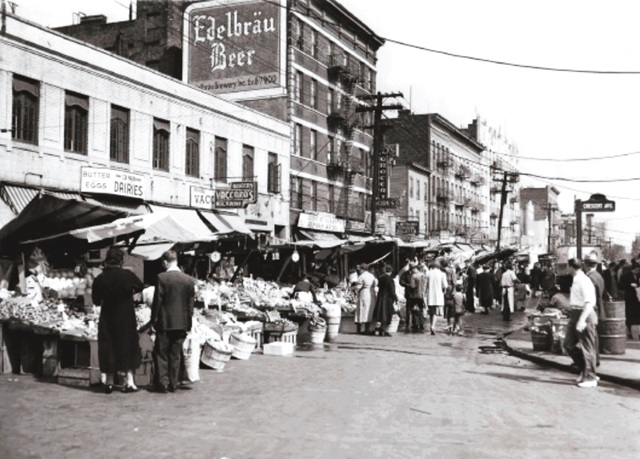

The Padrone System also greatly affected immigrants.
The Italian padrone system was a network of labor brokers and contractors, or padroni, who recruited Italian immigrants to work in the United States and Canada. While sometimes providing crucial support by arranging passage and employment for vulnerable immigrants, padroni often exploited them through deceptive contracts, unfair wages, poor housing, and control over workers’ lives, trapping many in conditions akin to indentured servitude. The system was characterized by abuse and was eventually targeted by legislation like the Padrone Act and continued efforts to curb its injustices.
When the Third Ave. elevated IRT expanded from 149th St. to 180th St. in 1896, it enabled Italian immigrants to walk to the southern end of the Bronx Zoo by 1899, where they helped with the zoo’s construction, which had a major interest in Italian architecture. The Zoo was a major factor in the early development of the Belmont Community, notably Arthur Avenue, which became the comfort zone for the immigrants’ culture.
Italian immigrants on Arthur Avenue in the Bronx set trends that established a thriving commercial district and created an authentic cultural center rooted in food, family-run businesses, and strong community ties. Unlike other “Little Italy” neighborhoods that have lost their original character, Arthur Avenue, “the real Little Italy,” has preserved its identity for over a century by supporting these trends.
At the dawn of the 20th century, Arthur Avenue was a bustling corridor of pushcart vendors selling fresh produce, meat, and fish. In 1940, Mayor Fiorello LaGuardia established the Arthur Avenue Retail Market to organize thousands of vendors and formalize their businesses. The indoor market is still central to neighborhood commerce. The vendors emphasized fresh, high-quality products, a legacy continued by shops that still offer imported European goods and meticulously selected ingredients for traditional Italian dishes.
Many of the businesses on Arthur Avenue are multi-generational institutions, with ownership and traditional recipes passed down through families. This showed a trend of stability and authenticity that still defines the neighborhood. Businesses like Madonia Brothers Bakery, founded in 1918, continue to bake using the same ingredients and techniques as their ancestors.
The personal relationships between shop owners and customers, which started with early immigrant business owners, continue today. Certain stores provide services to the grandchildren of their customers. The immigrants who settled the Belmont neighborhood brought their food, culture, and traditions, making Arthur Avenue a true Italian enclave. In addition, the food offered on Arthur Avenue reflects the diverse regions of Italy, with bakeries, delis, and restaurants specializing in unique regional products, including dry goods stores that had a Jewish influence. In addition, the Teitel Bros. grocery store recently surpassed its centennial here.
As the Italian immigrant population grew, especially following World War I, Arthur Avenue developed a strong and lasting identity separate from other parts of the city. Unlike Manhattan’s Little Italy, which has become more of a tourist destination, Arthur Avenue has been able to maintain its authentic, old-world charm. Institutions such as the Enrico Fermi Library and Cultural Center were founded to function as venues and archives for Italian and Italian American literature and history.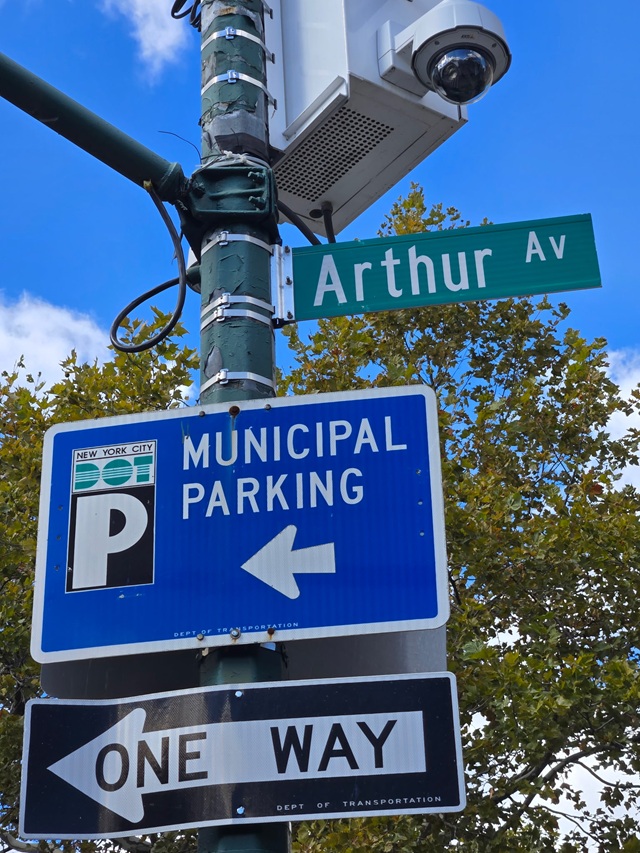

Arthur Avenue is an exceptionally rich streetscape lined with restaurants, grocery stores, and shops that promote Italian heritage, dating back to large-scale Italian migrations. (“Arthur Avenue: Bronx, New York – American Planning Association”) What truly sets Arthur Avenue apart from other neighborhoods is its strong sense of community. The people who live and work here take immense pride in their heritage.
Anyone can enjoy the Little Italy of the Bronx, regardless of their background. License plates from all around the Tri-state area attest to the thriving tourist market. Driving in via several easy-access routes that connect Arthur Avenue to “the outside world,” visitors find easy parking in a safe, secure environment where they can spend a whole Saturday shopping, eating, and shopping again— often in connection with a visit to nearby Yankee Stadium, the Bronx Zoo, or the New York Botanical Garden.